The annual Char Dham Yatra is currently operating at peak capacity, drawing hundreds of thousands of devotees from across India and around the globe. Speaking to the media in Haridwar, Uttarakhand Chief Minister Pushkar Singh Dhami stated that the state administration is fully committed to ensuring a smooth, secure, and highly organized pilgrimage for everyone visiting the sacred shrines.
With the spiritual journey in full motion, the state government has deployed multi-tiered administrative mechanisms to manage the massive influx of pilgrims effectively while maintaining environmental and public safety protocols.
High Devotee Influx Prompts Strict Administrative Vigilance
Following the grand opening of the portals of Gangotri, Yamunotri, Kedarnath, and Badrinath, Uttarakhand has witnessed an unprecedented surge in registrations and arrivals. Addressing the media, Chief Minister Dhami emphasized that the high turnout reflects the deep faith of the people, adding that the state treats the welfare of the visitors as its topmost priority.
To cope with the heavy footfall, the state has actively upgraded its local infrastructure, including widened road networks, dynamic traffic management, and around-the-clock medical camps setup along the high-altitude routes.
Key Pillars of the 2026 Yatra Management Strategy
To prevent overcrowding and ensure absolute safety, the Uttarakhand government has integrated structural reforms and advanced technological monitoring during this season:
- Mandatory Registration Verification: The online registration system remains active to track visitor numbers systematically, ensuring structural loads on mountain pathways remain within safe limits.
- Enhanced Medical Infrastructure: Given the extreme altitude variations, specialised medical relief posts equipped with oxygen cylinders, automated external defibrillators (AEDs), and trained paramedical staff are operational at close intervals along the trekking paths.
- AI-Powered Monitoring and Surveillance: High-definition CCTV networks combined with artificial intelligence tools are being utilized by local police command units to monitor vehicular traffic, pinpoint bottleneck zones, and manage crowd densities in real-time.
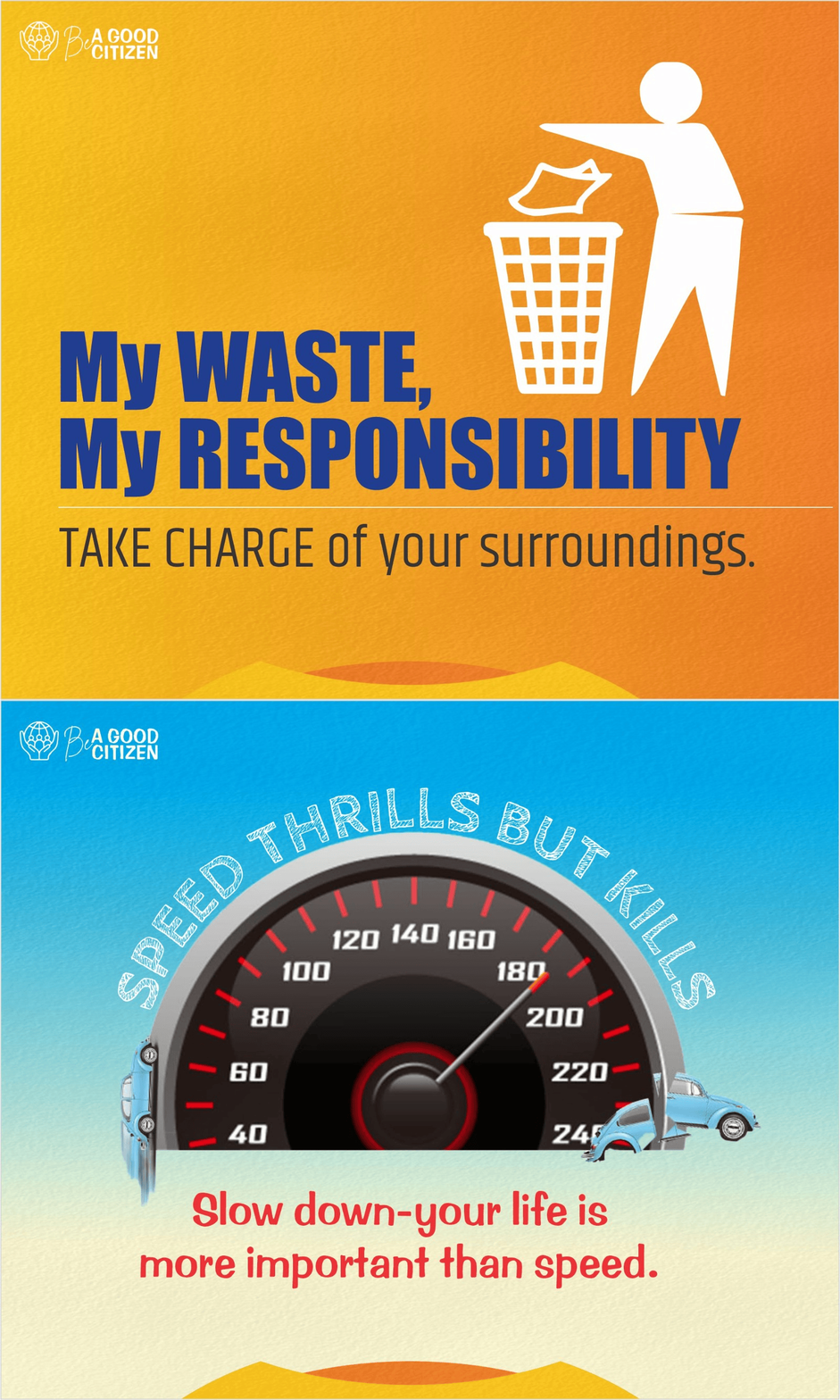
- Eco-Friendly Initiatives: In coordination with local municipal bodies, the government is strictly enforcing waste segregation and driving a “plastic-free” narrative to protect the fragile Himalayan ecology from heavy waste generation.
Why the Smooth Management of Char Dham Matters
The Char Dham Yatra serves as both a profound spiritual anchor and a vital economic driver for the state of Uttarakhand. Thousands of local livelihoods—spanning hospitality, transport, aviation, aviation logistics, and local craftsmanship—depend entirely on the seamless execution of this multi-month pilgrimage.
By prioritizing safety and infrastructure, the administration aims to mitigate the natural challenges associated with high-altitude travel, preventing potential stampedes or logistical collapses. Furthermore, ensuring a smooth experience reinforces global faith in Uttarakhand’s capacity to host mega-scale spiritual events safely.
Key Takeaways
- Peak Operations: The Char Dham Yatra 2026 is progressing rapidly with an exceptionally high volume of domestic and international visitors.
- Government Stance: CM Pushkar Singh Dhami assured that the state administration is working continuously to prevent any systemic inconvenience to pilgrims.
- Tech-Driven Security: Crowd management features real-time surveillance, automated registration check-posts, and extensive on-ground administrative deployments.
- Environmental Focus: Equal emphasis is being placed on keeping the pilgrimage eco-friendly, clean, and sustainable.
Frequently Asked Questions (FAQs)
1. Is registration mandatory for the Char Dham Yatra 2026?
Yes, online or offline registration is strictly mandatory for all pilgrims visiting Yamunotri, Gangotri, Kedarnath, and Badrinath to help authorities regulate crowd flow and ensure safety.
2. What medical facilities are available for senior citizens along the route?
The Uttarakhand government has established dedicated medical screening centers, oxygen booths, and emergency first-aid stations along the trekking routes to support individuals experiencing altitude sickness or respiratory issues.
3. How is the government managing traffic congestion in Haridwar and Rishikesh?
The state police are using dynamic route diversions, designated holding areas for commercial vehicles, and real-time AI-based traffic monitoring to maintain steady vehicular movement through the main gateway towns.